If there is one thing I’ve learned in over a decade of helping healers and coaches build high-authority personal brands, it’s this: your lived experience is not a liability—it is your greatest trust-building asset.
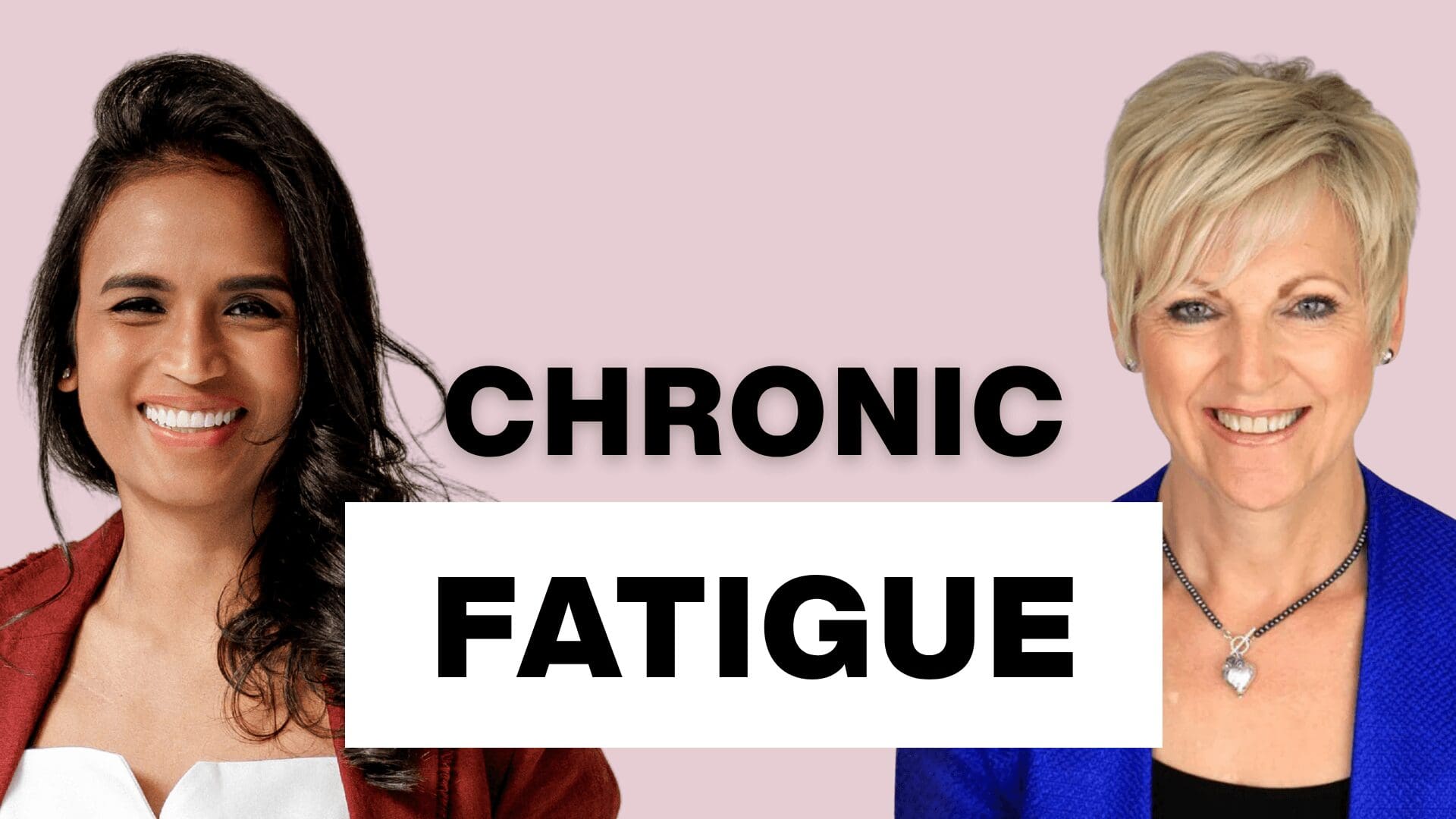
In Episode 5 of It’s Not That Personal, I sit down with Elaine Wilkins, founder of The Chrysalis Effect, for a deeply moving and strategic conversation on chronic illness recovery, trauma, neurodivergence, and the power of ethical storytelling in coaching.
My Personal Journey with Elaine & The Chrysalis Effect
My relationship with Elaine began about three years ago when I enrolled in her trauma-informed coach training through The Chrysalis Effect. At the time, I had no idea just how profoundly that single decision would shape the trajectory of my work and my life.
Elaine has a rare gift as an educator—you walk into her training not feeling like you’re “learning” in a rigid, traditional sense, but along the way, your mind quietly expands. Complex nervous system concepts fall into place in a way your brain can actually process and apply.
I walked away from that program not only with a deeper understanding of trauma, but proudly identifying as a Trauma-Informed Coach. It became a cornerstone of how I support my clients today.
Over the years, our relationship evolved from student-teacher into a genuine peer collaboration. I’ve taken several of her programs—including her Step Out course on boundaries and self-assertion—and we have built a beautiful cross-referral partnership.
Elaine has sent practitioners to me when visibility and personal branding felt like insurmountable barriers (a struggle I understand intimately as a highly sensitive, neurodivergent person), and I regularly refer clients to her for deep recovery support.
Having her on the podcast was a true full-circle moment.
Episode Highlights & Key Takeaways for Practitioners
During our 55-minute conversation, Elaine and I unpacked the real-world mechanics of taking a personal health crisis and building an international movement.
1. From Bed-Bound Collapse to a Recovery Framework
After a sudden collapse in 2000 left her bed-bound with severe fatigue, brain fog, and chronic pain, Elaine spent 18 months waiting for an ME diagnosis and six years navigating trial-and-error treatments.
Her breakthrough came in 2006 through major lifestyle shifts and uncovering root thyroid and adrenal dysfunctions missed by standard lab tests.
2. The Birth of The Chrysalis Effect
Following a tragic ME-related suicide in her community, Elaine knew the traditional medical system was failing these individuals. She interviewed 30 fully recovered people to identify common patterns, which led to her developing a coaching-based recovery pathway across 8 core areas and 6 recovery phases—a model now used in NHS pilot programs and multidisciplinary care.
3. Burnout, Trauma & Neurodivergence Intersections
We explore how unaddressed trauma, boundary issues, hormonal shifts, and masked neurodivergence often hide behind chronic fatigue and burnout—and why a trauma-informed lens is essential for clinicians transitioning into coaching.
4. Personal Branding & “Role Model Medicine”
Elaine and I discuss why therapists must stop hiding behind clinical distance. Sharing lived experience—or even third-party recovery stories—creates a bridge of hope that traditional marketing simply cannot match. It’s how you attract coaching clients who are ready for real transformation.
Listen to Episode 5
Chapter Timestamps
00:00– Why Your Story Matters01:13– Podcast Intro & Guest Setup01:34– Elaine’s Collapse & ME Diagnosis06:36– Searching for Answers in a Broken System09:02– Root Causes: Stress, Trauma & Values Misalignment12:09– Breakthrough: Thyroid/Adrenal Support & Recovery16:14– Building The Chrysalis Effect Model18:40– From Personal Recovery to a Global Movement21:40– First Clients & Proof of Concept26:35– Scaling Support: Trauma-Informed & Online Care29:52– The Surge in Neurodivergence Awareness31:05– A Serendipitous Meeting33:00– Burnout Misdiagnosed as Chronic Fatigue Syndrome35:30– Hormonal Health & Misdiagnosis36:54– The Power of Sharing Your Lived Experience37:47– Personal Branding for Therapists & Practitioners43:34– Community Support & “Role Model Medicine”47:16– Using Third-Party Stories to Build Trust & Visibility51:18– What’s Next for The Chrysalis Effect Programs53:47– Courses, Boundaries & Healthy Self-Assertion54:56– Wrap Up & Outro
Resources Mentioned & Next Steps
- 🦋 Connect with Elaine Wilkins: Learn more about recovery pathways and practitioner training at thechrysaliseffect.co.uk.
- 🎙️ Subscribe to It’s Not That Personal: Available on Apple Podcasts, Spotify, and YouTube.
Ready to Build a High-Authority Personal Brand as a Therapist?
If you feel called to bring trauma-informed depth to your work while attracting coaching clients on your terms, I’d love to support you.
👉 Book a Free 1:1 Strategy Session with Ritu Riedweg to look at where your practice is today, where you want to take it, and how to build a brand that feels deeply ethical, sustainable, and aligned.


Comments +